Freelance Photography Tips: 15 Ways to Build a Career That Actually Pays

Quick question. Ever scrolled through a photographer’s feed and thought, “I could do that”?
Yeah. Me too.
The lighting looks perfect. The lifestyle looks free. The clients seem to just appear out of thin air. It looks like magic.
Here is what they do not show you.
The missed calls. The underpaid gigs. The 2 a.m. editing sessions. The doubt. The months when income drops to zero.
Most freelance photographers burn out fast. Not because they lack talent. Because nobody taught them the business side. They treat art like a hobby. Then they wonder why the rent is due.
I have been there. I have seen friends quit. I have also seen others thrive. The difference. Strategy.
Photography is about capturing value, not just light. To build a lasting career, you need a plan, market understanding, and a business mindset.
Here are 15 real talk tips to help you win.
1. Pick a niche. Own it.
I know. You love shooting everything. Portraits one day. Food next. Maybe a wedding on the weekend.
But here is what happens when you try to be everything to everyone. You become nothing to no one.
Clients do not hire generalists. They hire specialists. Jewelry brands want a product photographer who knows light, reflection, and detail.
Pick one lane. Master it. Get known for it. You can always expand later. But start focused.
2. Know your camera like your own hand
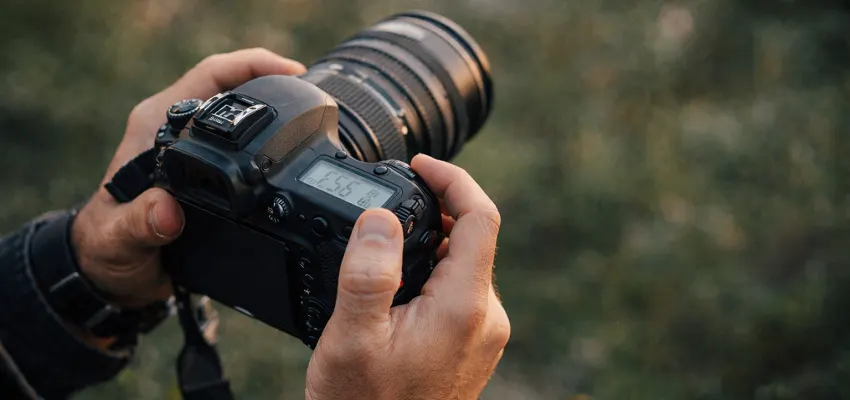
Be real. Do you still hunt for buttons mid-shoot? That hesitation costs you.
Clients pay for confidence. For speed. For someone who delivers under pressure. If you are fumbling with ISO settings while the light fades, you look like an amateur.
Master your gear. Not just the basics. The nuances.
How does your lens render bokeh at f/1.8? What is your camera’s high ISO limit? Can you change settings without looking?
Practice until it is automatic. Muscle memory frees your brain to focus on composition and client interaction. That is where the real value lies.
3. Light is your real tool. Learn it.
You can own a $5000 camera. But if you do not understand light, your photos will look amateur.
Cameras just record light. You control it.
Start noticing light everywhere. Not just when you shoot.
Is it soft or harsh? Where is it coming from? What color is it? How does it interact with the subject’s texture?
Great photographers do not wait for perfect light. They shape it. Or they work with what they have.
Learn one-light setups. Practice with reflectors. Master bounce flash. Understand the inverse square law.
This one skill will put you ahead of most beginners. It is the difference between a snapshot and a professional image.
4. Your portfolio is your salesperson. Treat it like one.

Hard truth. People spend about 10 seconds on your website. Maybe less.
So make every image count.
Cut anything that is just “good.” Keep only the work that stops the scroll. If an image does not scream “hire me,” delete it.
Ask yourself. Does this image attract the client I want? If not, remove it.
Your portfolio should not show your history. It should sell your future. If you want to shoot fashion, do not fill your gallery with real estate photos. Confusion kills conversions.
Curate ruthlessly. Quality over quantity. Always.
5. Build a style people recognize
Look at the photographers you admire.
Their work has a signature. You know it before you see the name.
That is not luck. That is consistency.
Your style is your edge. It is why clients pick you over someone with similar skills. It makes you memorable. In a saturated market, memory is currency.
Do not force it. Let it grow. But notice your patterns. The colors you love. The moods you create. The compositions you repeat.
Then lean into them. Double down on what makes you unique. Consistency builds brand equity.
6. Editing is part of the craft

Some photographers act like editing is cheating.
It is not.
Ansel Adams spent hours in the darkroom. You have Lightroom. Same principle. The capture is only half the work.
But edit with purpose.
Do not just slap on a preset. Ask. What does this image need? More pop. Softer skin. A mood shift.
Build your own presets. Create a repeatable workflow. But stay flexible. Every image is different.
Your edit should amplify your vision. Do not replace it. Over-editing looks dated. Under-editing looks unfinished. Find the balance.
7. Buy gear only when it solves a problem
Gear lust is real. New cameras are tempting. Marketing tells you that you need the latest sensor.
But here is the truth. Skill beats gear. Every time.
Start with what you have. Master it. Then ask. What is actually holding me back?
Do you need a faster lens for low light? Do you need a tripod for long exposures? Do you need strobes for your niche?
Buy to solve a specific problem. Not to feed an impulse.
Clients care about results. Not your camera model. They do not know the difference between a Sony A7IV and an A7III. They know if the photo looks good.
8. Price for profit. Not for popularity.
Underpricing is a trap.
I have seen photographers charge $75 for a session. Then spend 8 hours on shooting and editing. That is less than $10 an hour.
That is not a business. That is a hobby with expenses.
Calculate your real costs. Gear. Software. Travel. Taxes. Your time. Then add profit.
Yes, you will lose some inquiries. Good. You do not want price shoppers. They are the most demanding clients with the least budget.
Raise your rates as you improve. As your portfolio grows. As demand increases.
Your price tells a story. Make sure it is the right one. High prices signal confidence. Low prices signal desperation.
9. Build a brand. Not just a gallery.
People hire people. Not pixels.
Your brand is how you make clients feel before they even book.
Is your website easy to use? Do your messages sound human? Do you reply fast?
These details add up. They signal professionalism.
Consistency builds trust. Use the same voice. The same visuals. The same professionalism everywhere. From your Instagram bio to your invoice template.
Your brand is your promise. Keep it. If you promise 48-hour delivery, do not take five days. Reliability is rare. Be reliable.
10. Show up online. Consistently.
Here is the reality. If you are not visible, you are not findable.
You do not need to post daily. But you do need to show up regularly. Algorithms favor consistency. Clients favor presence.
Share your work. Share your process. Share what you are learning. And engage. Reply to comments. Support other creators. Join conversations.
Social media helps you connect with people. Build strong relationships with your followers instead of just trying to get more.
Having a small group of engaged and active followers is much more valuable than having a large group of people who don’t interact with you.
11. Use freelance platforms. Then outgrow them.

Sites like Upwork can help you land early clients. That is valuable. But treat them like a launchpad.
The fees are high. The competition is a race to the bottom. Your goal. Move clients off-platform. Build direct relationships. Raise your rates. Own your pipeline.
Freelance marketplaces are a starting point. Not the destination. Use them to build testimonials. Then leverage those testimonials to get direct work.
12. Network with purpose
Networking is not collecting contacts. It is building real relationships with people who need what you offer.
Think designers. Marketing managers. Small business owners. Other photographers.
Offer value first. Share a tip. Make an intro. Give honest feedback. When you help others win, they remember. And when they have a project, they call you.
Referrals are key to freelancing. A warm introduction leads to a faster close than a cold email. Invest in your network just like you invest in your equipment.
13. Make the client experience amazing
Great photos are expected.
What makes clients return? How you treat them.
Communicate clearly. Show up on time. Deliver early if you can.
Send a thank you. Ask for feedback. Make them feel valued.
Happy clients become repeat clients. And repeat clients become your best marketers. They bring you new business without you spending a dollar on ads.
The experience is the product. The photos are just the deliverables.
14. Systemize your workflow
Freelancing is not just shooting. It is invoicing. Scheduling. Backing up. Editing. Following up.
If you wing it, you will burn out.
Create templates. For emails. For contracts. For editing.
Use tools. Calendly for booking. Cloud storage for backups. Project apps for tracking.
Work on your business. Not just in it. Automation saves time. Time is money. Protect your time fiercely.
15. Stay curious. Forever.
The day you think you know everything is the day you start to fall behind.
Photography is always changing. Trends come and go. New tools are developed. AI is altering the landscape.
Keep learning and growing. Look at the work of photographers you like. Try out new techniques. Ask others for their feedback.
Curiosity protects your career. Being able to adapt helps you survive. The market favors those who keep evolving.
Final Thought
Freelance photography demands endurance, and it’s a journey that lasts a lifetime. You will have days that fill you with confidence and others that make you question your abilities.
Many successful photographers aren’t the most skilled. They keep going, using setbacks and rejections to grow and improve their craft.
Keep taking photos and learning from your experiences. Keep pushing forward. Your future self will thank you for your hard work and dedication.