Professional Clipping Path Service For Online Marketing

Here’s something most store owners don’t think about until it’s too late: your photos are selling the product before your words get a chance to. Someone lands on your page, glances at the image for maybe two seconds, and already has an opinion.
Clean photo, they trust you a little more. Messy background, weird edges, they’re gone before they even scroll down.
Getting photos right takes editing work most people underestimate. And once they’re ready, you still need to get eyes on them, which is where marketing comes in. So let’s talk about both, starting with the part people usually skip over.
What Is Professional Clipping Path?
Short version: it’s how you remove a background from a photo. Most of the time it’s done with Photoshop’s pen tool, which honestly gets overlooked because it looks so basic sitting there in the toolbar. But it’s probably the single most useful tool in the program if you’re doing any kind of product photography.
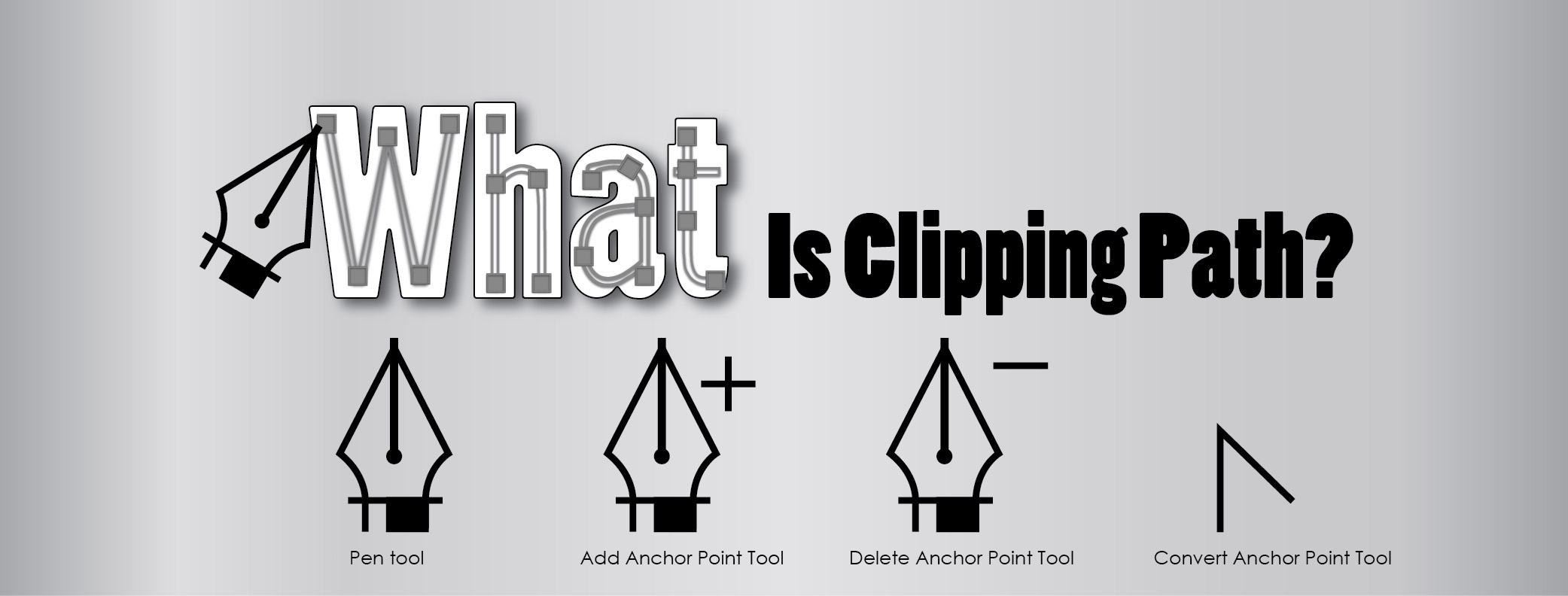
The idea is simple enough. You trace around whatever you want to keep, cut it loose from everything else, and either drop in a new background or just leave it blank. Photographers deal with this constantly, mostly because a shot can be perfect except for one annoying detail behind the subject that ruins the whole thing.
Now, could you learn to do this yourself? Sure. But it’s harder than it looks, especially at first. Try tracing something with a lot of fine detail and you’ll see what I mean. Hair, fur, wispy stuff like feathers or leaves, it all tends to come out looking rough if you rush it or don’t have much practice.
Jagged edges, weird blur, that kind of thing. This is basically the reason clipping path services exist in the first place. Someone who does this every day just gets it right faster, and honestly, better.
A decent clipping path service does more than cut things out too. Masking, shadows, color fixes, general cleanup, it’s usually bundled together.
Photographers, magazines, print shops, they all lean on this stuff instead of spending hours fighting with Photoshop themselves. And it’s not usually expensive. But like most things, quality still comes down to who’s actually doing the work.
Is It Really Worth Paying Someone Else?
For one photo? Probably not worth outsourcing. But once you’ve got a real catalog going, a few things start to matter.
Consistency, for one. Fifty product shots need to feel like they belong together, and that’s genuinely hard to pull off if you’re learning as you go.
Time is the other big one. A beginner might spend twenty minutes getting one image clean. Now imagine doing that five hundred times. You’d burn a week just on editing before you’ve sold a single thing.
Then there’s the detailed work, which honestly just takes practice most business owners don’t have time to build. And first impressions still count for a lot. Put a crisp, clean photo next to a slightly messy one on the same page and people notice, even if they couldn’t tell you exactly why one looks better.
What is Online Marketing?
Basically it’s everything a business does to get noticed on the internet. Doesn’t matter if you’re pushing a product, a service, or just trying to build the brand itself.

It usually breaks down into a handful of channels:
- Search Engine Optimization (SEO)
- Social Media Marketing (SMM)
- Email Marketing
- Pay-Per-Click Advertising (PPC)
Each one works a bit differently, so let’s go through them one at a time.
Search Engine Optimization (SEO)
SEO is the slow-burn strategy. You’re making changes, some on your site, some off it, so search engines see you as relevant and start ranking you higher for the terms people actually search. Better content, cleaner code, more credible links pointing back to you. All of that plays into it.

People often talk about SEO and PPC in the same breath, and there’s a reason for that. A lot of businesses run both together. PPC gets you traffic right now, SEO builds something that lasts longer. Combine them and you’ve basically got a full strategy covered.
Social Media Marketing (SMM)
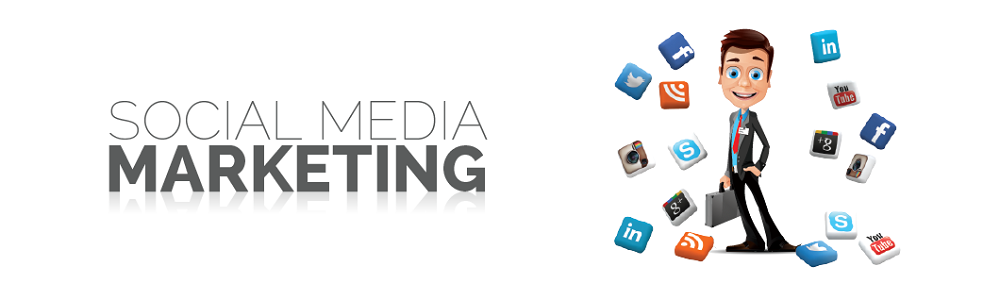
This one’s pretty self-explanatory these days. Facebook, Instagram, Pinterest, Twitter, wherever your audience actually hangs out. Having a website is fine, but it does nothing for people who’ve never heard of your brand. Social media is how you actually get in front of those people, right where they’re already scrolling through their phone anyway.
Email Marketing
People hear “email marketing” and think of spam folders. But it’s really just any email meant to build some kind of relationship with a customer, whether that’s trust, loyalty, or just staying top of mind.
It still works, too, maybe better than people give it credit for. Sometimes it’s one message going out to your whole list. Other times it’s something triggered automatically, like a welcome email after someone signs up, or a reminder after an abandoned cart.

Handled well, it builds trust quietly over time instead of feeling like a hard sell every time. A few common types you’ll run into:
- Transaction emails
- Announcements
- Advertising emails
- Auto-responders
- Trigger emails
- Informational emails
Pay Per Click Advertising (PPC)
PPC is pretty straightforward. Your ad shows up next to search results, and you only pay when someone actually clicks it. That’s the whole name, really, pay per click.
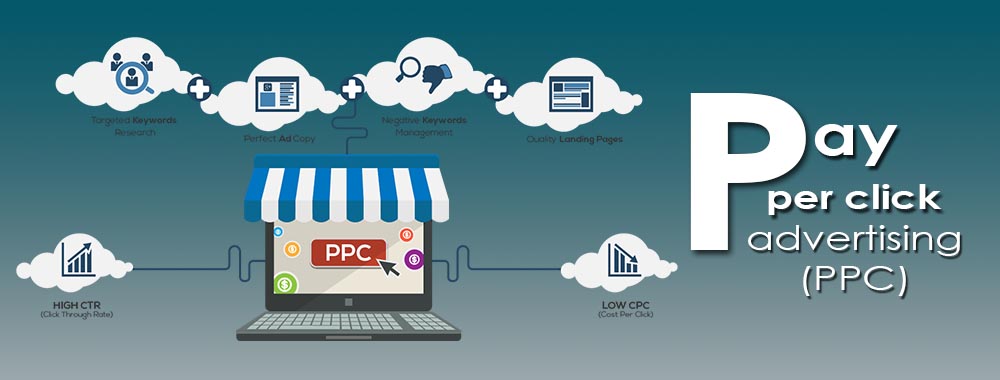
What makes it appealing is you don’t need a huge budget to start seeing results. It sends traffic your way fast, gets your name in front of more people, and helps you look established even if you’re a newer company. And since you’re only paying for actual clicks, it’s a lot easier to keep an eye on what’s working and what’s just burning money.
Where This All Actually Connects
Here’s the thing nobody really says out loud: none of this marketing stuff works well without decent photos backing it up. Doesn’t matter how good your ad copy is, if the product photo behind that PPC ad looks rough, people scroll right past it.
Same with email. Same with social. A messy image next to a competitor’s clean one just makes you look like you didn’t try as hard.
So in a weird way, clipping path work is sort of the foundation everything else sits on top of. You can nail your SEO, run a great ad campaign, write the perfect email, and still lose people at the last second because the photo didn’t hold up its end of the deal.
Why This Matters More Than People Realize
Clipping path services get used across a ton of industries. Advertising agencies, photographers, e-commerce stores, magazines, fashion studios, print companies churning out catalogs and posters. Pretty much anywhere images need to look polished.
Most often though, it’s product photos for online stores. Think about the last few things you bought online, shoes, jewelry, whatever it was.
There’s a good chance that photo went through some kind of clipping process before it ever showed up looking that clean on the page. It matters even more with graphic design work, especially on bigger images where sloppy edges are basically impossible to hide.
Final Thought
Photos and marketing aren’t really two separate jobs. They lean on each other more than people think. Clean images make your marketing look credible, and credible marketing is what actually gets people to buy.
If you’re already spending money on SEO, ads, email, whatever it is, it’s worth making sure the photos behind it all can actually hold their own.